Why Are Vaccinations Important for Children?

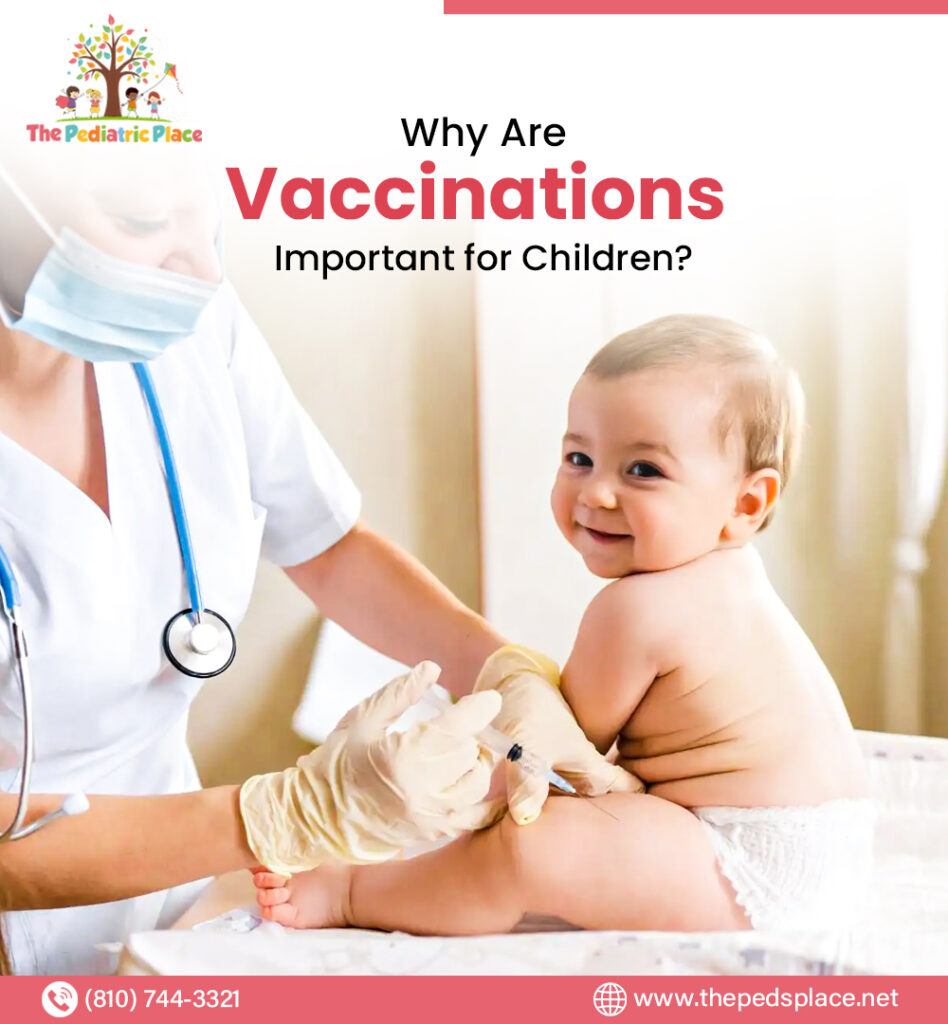
Vaccinations are an important part of keeping children healthy and protecting them from serious, preventable diseases. Vaccines help prepare a child’s immune system to recognize and fight certain infections before the child is exposed to them.
Following the recommended childhood immunization schedule helps provide protection at the ages when children may be most vulnerable to certain diseases.
How Do Vaccines Protect Children?
Vaccines work by helping the immune system learn how to recognize specific germs. When a vaccinated child encounters the infection later, their immune system can respond more effectively.
Childhood vaccines can help protect against diseases that may cause serious complications, hospitalization, or other health problems. Staying up to date with recommended vaccinations is an important part of preventive pediatric care.
1. Vaccines Help Prevent Serious Diseases
Children can be exposed to infectious diseases at home, school, daycare, and other community settings. Vaccination helps reduce their risk of developing many vaccine-preventable illnesses.
Depending on age and individual circumstances, childhood immunization programs may include vaccines that protect against diseases such as measles, mumps, rubella, whooping cough, polio, hepatitis, chickenpox, and other infections.
2. Early Vaccination Provides Early Protection
Babies and young children can be particularly vulnerable to certain infections. Vaccines are scheduled at specific ages to provide protection before children are likely to be exposed to particular diseases.
Some vaccines require multiple doses to build or maintain strong protection, which is why following the recommended schedule is important.
3. Vaccination Helps Protect the Community
Vaccinating your child can also help reduce the spread of infectious diseases. This is especially important for people who may be too young to receive certain vaccines or who have medical conditions that affect their immune system.
Keeping children up to date with recommended vaccines therefore contributes to protection for families and communities as well.
4. Staying on Schedule Matters
Childhood immunization schedules are designed around a child’s age, the timing of exposure to certain diseases, and how the immune system responds to vaccines.
If your child has missed a recommended vaccine, speak with their pediatrician about an appropriate catch-up schedule rather than assuming vaccination is no longer necessary.
5. Vaccines Are Carefully Studied for Safety
Vaccines are evaluated for safety and effectiveness before they are recommended for routine use. Like medicines, vaccines can sometimes cause side effects. Common reactions may include temporary soreness, redness, swelling at the injection site, tiredness, or mild fever.
If you have questions about a particular vaccine or your child’s medical history, discuss them with your pediatrician before vaccination.
What Should Parents Do If Their Child Misses a Vaccine?
Missing a scheduled vaccine does not necessarily mean your child cannot catch up. Your child’s pediatrician can review their vaccination history and determine which vaccines or doses may still be recommended.
Children with certain medical conditions, travel plans, or other individual circumstances may also need personalized vaccination guidance.
Talk to Your Pediatrician About Childhood Vaccinations
Every child is different, and vaccination recommendations can depend on age, medical history, previous vaccinations, and other factors.
If you have questions about your child’s vaccines, talk with a qualified pediatric healthcare provider. A pediatrician can review your child’s immunization history and help you understand which vaccinations may be recommended.